


SoundSteps
Supporting primary schools to build stronger foundations in learning, communication, confidence, and positive engagement through creative, informed approaches.
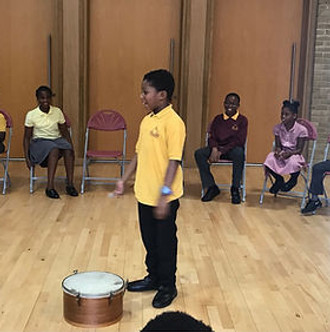
SoundSteps is a structured creative primary school intervention programme using music, rhythm, and sensory-informed engagement to support communication, emotional regulation, confidence, and engagement with learning. The programme uses creative, trauma-informed approaches influenced by music and arts-based therapeutic practices as a consistent and engaging delivery method to strengthen early literacy, emotional awareness, communication, and behaviour for learning, while building confidence and emotional readiness within the classroom environment.
By integrating rhythm, melody, storytelling, and creative expression, SoundSteps transforms core curriculum learning into structured, engaging experiences that improve attention, retention, and participation.
OUR APPROACH
This intervention is not focused on making music in a traditional recording studio sense. Instead, it harnesses trauma-informed techniques using various aspects of music and creativity as tools to project, process, and redirect behaviours that may be leading pupils down the wrong path.
Through structured, practitioner-led activities, we support young people to:
-
safely express underlying emotions
-
understand behavioural triggers
-
develop healthier coping strategies
-
and replace negative patterns with new habits and techniques that support growth
CORE FOCUS AREAS
SoundSteps supports schools in developing key early learning and developmental outcomes, including:
-
early reading, phonics, and writing development
-
speech, language and communication skills
-
emotional regulation and readiness for learning
-
confidence, participation, and classroom engagement
-
positive behaviour for learning and routine building
HOW IT SUPPORTS LEARNING NEEDS
SoundSteps is designed to be inclusive and adaptable, supporting pupils across a range of learning and developmental needs, including:
-
mainstream learners
-
pupils with SEND or additional support needs
-
EAL learners
-
neurodiverse pupils
-
socially anxious or emotionally vulnerable children
-
high-attaining pupils requiring enrichment and stretch
PROGRAMME APPROACH
The programme links curriculum learning with structured musical engagement to improve both academic and developmental outcomes.
By embedding literacy and communication skills within music-based activities, SoundSteps supports:
-
improved memory and retention of key learning concepts
-
increased engagement and motivation in classroom tasks
-
stronger confidence in speaking, reading, and expression
-
improved emotional connection to learning
OUTCOMES FOR SCHOOLS
SoundSteps supports schools in strengthening early intervention and inclusion priorities, contributing to:
-
improved attainment in early literacy
-
increased engagement in learning activities
-
stronger communication and language development
-
improved classroom behaviour for learning
-
increased confidence and participation across pupil groups
How the Programme Works
1. CONNECT
Building Safety, Trust & Emotional Engagement
The first stage focuses on creating a safe, nurturing, and emotionally supportive environment where pupils feel comfortable engaging, expressing themselves, and building positive relationships.
Through carefully facilitated creative activities, practitioners begin developing trust and emotional connection while reducing anxiety and barriers to participation.
Focus Areas:
-
Building positive relationships and trust
-
Supporting emotional safety and belonging
-
Encouraging communication and self-expression
-
Reducing anxiety and emotional overwhelm
-
Increasing participation and engagement
-
Creating positive experiences around learning and interaction

2. REGULATE
Supporting Emotional Regulation & Behaviour for Learning
Once pupils feel emotionally safe and connected, the intervention focuses on helping them develop greater emotional awareness, regulation, and self-management skills.
Using creative, sensory-informed and reflective approaches, pupils are supported to better understand emotions, manage responses, and develop strategies that positively impact behaviour for learning and classroom readiness.
Focus Areas:
-
Emotional regulation and self-awareness
-
Behaviour for learning
-
Managing frustration, anxiety, and dysregulation
-
Developing coping and calming strategies
-
Improving focus, listening, and attention
-
Building confidence and resilience
3. RE-ENGAGE
Strengthening Confidence, Participation & Readiness to Learn
The final stage focuses on helping pupils transfer their progress back into the classroom and wider school environment.
Pupils are supported to rebuild confidence in learning, strengthen social interaction, and positively re-engage with school routines, participation, and relationships.
Focus Areas:
-
Rebuilding confidence in learning
-
Encouraging positive classroom participation
-
Strengthening peer and adult relationships
-
Supporting school attendance and engagement
-
Developing motivation and readiness to learn
-
Encouraging a more positive connection with school life
